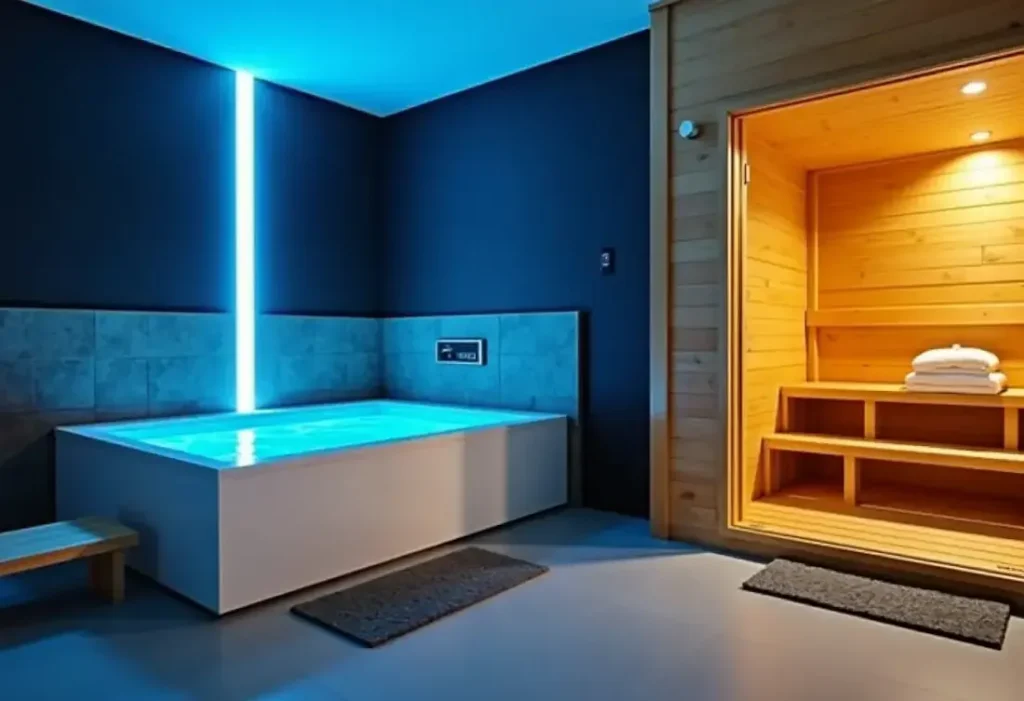

Despite the widespread belief that saunas benefit health, infrared sauna dangers are pretty prevalent. The fact is that saunas, like most other things, can be harmful to your body and mind. This is if you expose yourself to them for a substantial period.
Your degree of comfort and overall health will determine the ideal temperature for an infrared sauna. However, the typical operating temperature of an infrared sauna is significantly lower than that of a conventional sauna. This is because traditional saunas create heat differently, causing them to operate at a considerably lower temperature.
This blog will comprehensively discuss the infrared sauna dangers. And, keeping these points in mind will help you prevent any major mishap. So, if you want to ensure your safety when using a sauna, it’s best that you carefully understand the information we discuss in the coming sections.
What is an infrared sauna?
Before we get into the working of infrared saunas and the potential harm that they can cause, it’s important we understand what exactly they are.
Simply put, an infrared sauna works very similarly to any other dry sauna, the only major difference being the way they both heat your sauna enclosure.
You see, a traditional sauna uses a sauna heater to heat the air in your sauna enclosure. And depending on the type of heater, you can expect the sauna temperature to be anywhere between 150 and 190 degrees Fahrenheit.
On the other hand, an infrared sauna deploys infrared lamps to create electromagnetic waves that directly heat your body instead of heating the entire room. As such, you can expect the temperature in an infrared sauna to be way lower than in a traditional sauna.
Also, these saunas are totally different from steam rooms, so you can expect near zero humidity.
If you’re curious about how infrared saunas compare to other heat-based therapies, you might want to check out this guide on the difference in red light therapy and infrared sauna.
Infrared Saunas: How Do They Work?

The majority of sauna goers are prone to traditional saunas, which function very differently from infrared saunas. Convection heating is a preference over using heated elements and pebbles for saunas because it is more efficient. An infrared sauna generates radiant heat through the use of infrared light.
This infrared light is able to travel deeply into your skin. You may work out at temperatures between 120 and 150 degrees Fahrenheit and yet produce copious amounts of sweat. Despite knowing this isn’t as hot as a regular sauna, the deep penetration makes up for the lack of heat. It enables you to reap most of the same benefits traditional saunas encourage.
Further stating, they operate at a significantly lower temperature. They are an excellent choice for first-time sauna bathers as well as younger children. Additionally, because of this lower temperature, infrared saunas can be constructed with many more features than traditional saunas. Otherwise, it will be harmed by the extreme heat promoted by regular saunas.
You might also want to read: Difference Between Far and Near Infrared Saunas
Infrared Sauna Dangers: Points You Must Know About
Strain from the heat

The majority of people who use saunas end up getting heat stroke, which may seem like an obvious statement to some people. Even the healthiest human bodies are susceptible to this, and it can cause them to overheat to levels that cannot be recovered from.
In fact, when it comes to infrared vs steam sauna, this is something that puts the former in negative light. You may prevent such negative effects of infrared sauna by being aware of your body and being able to recognize the indicators of heat exhaustion.
People who spend excessive time in saunas are the most likely to suffer heat stroke. In most cases, this takes place either because people enjoy pushing themselves past their limitations or because they just nod off while in the sauna. Therefore, you should make it a point to stay awake for the full duration of your time in the sauna and bath, which should not exceed thirty minutes.
This period is sufficient to obtain the greatest benefits that may be derived from the sauna without exceeding the limits that your body can withstand. For instance, if you start to feel queasy, light-headed, dizzy, or just plain strange at any point while in the sauna, you need to get out of there as soon as possible. Do not go beyond your capabilities; instead, pay attention to the cues your body is giving you at all times.
Dehydration
The second frequent and visible risk that comes with using an infrared sauna is the risk of being dehydrated. Many folks doze off in the sauna or stay there for an excessive amount of time without taking breaks to drink water. Because the symptoms of dehydration aren’t always easy to spot, these are some of the biggest no-nos you may make.
Dehydration could cause symptoms such as dry mouth, headaches, dizziness, tiredness, and dry skin if you’re doing anything strenuous, like the sauna. If this is the case, you need to get out of the sauna as soon as possible, hydrate yourself thoroughly, and give your body at least ten to fifteen minutes to recover from the heat.
Drinking a lot of water before entering the building is an excellent preventative measure that can help you avoid having an issue like this in the first place. By doing so, you will guarantee that your body is adequately hydrated and prepared to endure the high heat of the sauna. You should carry a big bottle of water inside the sauna with you so that you have something to drink while you are there.
Be sure to keep yourself hydrated by drinking this water at regular intervals. Before entering a sauna, you should never consume beer, soda, or any other beverage that contains added sugar because doing so will cause you to lose even more water.
This will cause your body to immediately dehydrate, making it easier for you to injure yourself in the sauna. In addition, when alcohol is involved, there is a greater chance that you will trip or do something incredibly stupid.
EMF Radiation
EMF radiation is amongst potential infrared sauna dangers that the vast majority of people are unaware of. Infrared heating panels, which these saunas rely on to generate heat, are responsible for the emission of EMF radiation.
This radiation can also be present in common household appliances and electronics, including microwaves, cell phones, and Wi-Fi networks. Although electromagnetic fields (EMF) are present in everyday life, high exposure to EMF can cause health problems such as cancer.
While it is unlikely that EMF would negatively impact your health. You should nonetheless be aware of the potential risks and do what you can to mitigate them. On a more upbeat note, the majority of companies that develop infrared saunas are aware of electromagnetic fields (EMF). And, they make concerted efforts to reduce the amount of EMF that their saunas emit.
Additionally, before making a purchase, it is easy to determine the EMF rating of most infrared saunas on the market today. Taking a sauna bath is beneficial to one’s health. Certain infrared saunas emit very little to no electromagnetic fields (EMF).
Silicone Implants
Before entering a sauna, you should check with your surgeon if you have silicone implants to ensure they won’t melt in high temperatures. In rare instances, low-cost implants made of silicone might melt and become misshapen. However, because you spent a lot of money on making sure that they were flawless, this is obviously a problem.
In the most severe of situations, the shell surrounding these implants may crack or burst, which is extremely hazardous to a person’s health. In spite of this, the majority of high-quality silicone implants have a melting point higher than 392 degrees, which suggests that you should be alright in an infrared sauna despite the highest temperature that most infrared saunas can reach is just 150 degrees Fahrenheit.
However, in the interest of safety, we still advise you to see your primary care physician and inquire whether or not sauna bathing is appropriate.
Health Conditions

Before using the sauna, it is a good idea to check in with a medical practitioner. This is if you are currently dealing with any kind of health condition. As a result of the harsh circumstances that saunas impose on the body, they might exacerbate pre existing conditions. These are already problematic and cause more injury.
Chances are you might have struggled with any of the following conditions. So, you should steer clear of the saunas. These conditions are: Brain tumor, heart attack, lupus erythematosus, aortic stenosis, multiple sclerosis, and more.
In addition, if you have diabetes, implants, or a pacemaker, you should make an appointment with your doctor immediately. While those with these conditions can usually use the sauna without any problems. You should consult your physician just in case.
Sauna while breastfeeding is another scenario where medical advice is recommended. Although saunas are generally safe, breastfeeding mothers should ensure they stay hydrated and avoid prolonged sessions, as dehydration can affect milk supply. Always consult your healthcare provider to determine what’s best for you and your baby.
If at any point during your time in the sauna you have symptoms such as lightheadedness, pain, or intense discomfort, you should get out of the sauna as soon as possible. To prevent heat exhaustion, it’s essential to drink plenty of water and give your body time to cool down.
Some recent studies about infrared sauna risks that you should know about
1. Dermatologic risks
From my experience working with different sauna types, one thing that often gets overlooked is how infrared light, especially in the near-infrared range, affects our skin.
You see, unlike traditional saunas, this type of radiation penetrates deeper into the skin. And it can be a double-edged sword.
How?
On one hand, it helps with muscle relaxation and detox, but on the other, prolonged exposure might accelerate skin aging.
That’s because it can increase the production of reactive oxygen species, or ROS. These unstable molecules can lead to oxidative stress, damaging skin cells and even potentially increasing the risk of DNA mutations that could lead to skin cancer.
Now, this is definitely something to be mindful of, especially if you’re using infrared saunas frequently.
2. Cardiovascular health concerns
In terms of heart health, recent studies advise caution, more so if you have a history of cardiovascular issues.
Why?
While infrared saunas are generally seen as safe and even beneficial for some circulatory conditions, they do cause the heart rate and body temperature to rise significantly, similar to exercise.
So, if you have something like unstable coronary artery disease, orthostatic hypotension, or heart valve problems, this added strain could be risky.
For instance, I’ve seen people feeling dizzy or lightheaded after a session because their cardiovascular system couldn’t keep up.
3. Eye health
One aspect that’s often underestimated is how infrared radiation impacts our eyes.
People think of UV light as the main culprit for eye damage. But near-infrared light can also do harm, especially with long-term, unprotected exposure.
Although it doesn’t cause immediate pain, over time, it can heat the lens of the eye and lead to something called “infrared cataract” or “glassblower’s cataract.” Here, the lens becomes cloudy, affecting vision.
So, when you’re using an infrared sauna, I suggest either keeping sessions brief or wearing protective eyewear if you’re doing longer sessions. After all, your skin and eyes are both sensitive organs, and we need to treat them with care.
Infrared Sauna Benefits
Having gone through the many infrared sauna dangers, it is easy to create a negative perspective about this sauna solution. However, it is worth mentioning that infrared saunas aren’t all about the dangers alone.
In fact, a lot of infrared dangers can be easily averted. For instance, you can prevent yourself from getting dehydrated by drinking plenty of water before you step into the sauna room.
Not to mention, there are a ton of health and wellness benefits that an infrared sauna brings about. So it’s not right to let the side effects overshadow the many benefits.
Now you might wonder what exactly are the benefits of infrared.
Generally speaking, the major benefits of infrared saunas are not different from that of traditional saunas. For instance, like all saunas, infrared saunas also help you detox, improve circulation, and burn calories, release heat-shock proteins among others.
They are also used to treat chronic back pain effectively, offering relief by relaxing muscles and improving blood flow to the affected area.
Nonetheless, there are multiple studies that point to a host of additional health benefits linked to infrared saunas alone.
For instance, in one study on a group of people with chronic fatigue, it was found that regular infrared sauna sessions helped them ease their symptoms to a large extent.
Similarly, research from the American Journal of Medicine suggests that infrared sauna heat relieves joint pain and improves mobility in people with rheumatic disease.
So the next time you’re booking a sauna session or buying a home sauna, an infrared sauna is worth considering. All you’ve got to do is be aware of infrared sauna safety tips.
Dangers of infrared sauna: frequently asked questions
Are infrared saunas safe?
If you’re wondering whether or not are infrared saunas safe, yes, they are. And no, we aren’t disputing the risks associated with infrared saunas that we stated earlier.
In fact, if you adequately address the risks, you should be absolutely fine in an infrared sauna. Also, an optimum 20-minute infrared sauna session twice every week, and you can impressively maintain your health and fitness.
That said, there are multiple studies that do point to certain health impacts in the long run. However, those studies are yet to reach a medically acceptable conclusion.
Can infrared saunas cause cancer?
No, they can’t.
You may come across a lot of online literature that tends to somehow link the spread of cancer with the use of infrared saunas. But there’s no evidence that an infrared sauna can cause cancer.
On the contrary, the infrared heat in a sauna is actually found to have either slowed or entirely stopped the spread of cancer among many people.
Note: if you’re a cancer patient, we suggest you consult your doctor before using an infrared sauna for parallel treatment/recovery.
So why is the online community abuzz with this theory?
The only explanation for infrared saunas’ link to cancer is infrared radiation which is perceived as dangerous.
You see, people oftentimes confuse infrared radiation for ultraviolet radiation from the sun, which upon prolonged exposure, actually has the potential to cause cancer.
But a limited exposure to infrared heat for about 20 to 30 minutes is rather beneficial to your health and overall wellbeing.
When to avoid an infrared sauna?
According to a Healthline article, an infrared sauna session should be avoided in certain conditions since the heating and dryness of these saunas can do more harm than good. And that includes the following:
- Pregnancy: While steam saunas can be tempting during pregnancy for physical and mental relaxation, pregnant women should be cautious about them. It’s better to consult your doctor and get the go-ahead before going for an infrared sauna bath.
- Weak immunity: Infrared saunas, in general, aren’t harmful for people with a weak immune system. However, public infrared saunas have the potential to cause health-related harm if they aren’t properly cleaned and looked after since warm spaces are prone to various viruses and pathogens. And this also goes for unclean home infrared saunas.
- Heart-related issues: As you might already know, saunas can increase your heart rate and blood circulation in no time. So if you have an underlying heart condition, we suggest you get a fitness clearance from your doctor first.
- Age constraints: One cannot deny the immense health benefits that steam saunas have for older people. But the dryness in an infrared sauna can also dehydrate people in such an age group very quickly. Meaning you should rather go for a traditional steam sauna than an infrared sauna.
- Wounds: if you’re recovering from wounds from surgery, an accident, etc., then the permission of your doctor is a must before you go to a sauna.
How hot should an infrared sauna be?
The ideal temperature in an infrared sauna should be anywhere between 120 and 140 degrees Fahrenheit.
While regular saunas operate at a much higher temperature, you don’t need that kind of heating in your infrared sauna, given that infrared heat directly warms your body up.
Tips for using an infrared sauna:
As you might already have figured out, infrared sauna risks do not outweigh its benefits. Nevertheless, there are some tips you should definitely follow for a safe and enjoyable sauna session. And that includes:
#1. Keep the temperature lower and duration shorter when starting out
If you’re new to infrared saunas, we suggest you take it easy and start with a lower temperature and shorter duration.
For instance, you can set the sauna temperature at 110 degrees Fahrenheit and duration at 10-15 minutes. This way, you can get accustomed to the heat of an infrared sauna without making it too overwhelming in the first place.
#2. 30 minute + 3 weekly sessions rule
Like all things infrared sauna, this is a golden rule for sauna bathers wherein you don’t spend more than thirty minutes in the sauna. Also, the advocates of this sauna bathing norm suggest limiting weekly sessions to three.
You see, unlike regular steam saunas, your body is directly exposed to heat in an infrared sauna. So by following this bathing rule, you can prevent heat stress and its negative effects.
#3. Drink a bottle of water before stepping into the sauna
Hydrating yourself is essential in all steam and sauna spas, but more so in a dry infrared sauna. And we suggest you drink a bottle of water before your sauna session as it will prevent dehydration from the loss of body fluids in the form of sweat.
#4. Take a shower after the sauna session
Now, this tip is for all saunas and steam rooms.
By taking a shower after the sauna bath, you can wash off all the toxins that are released from sweating.
Bonus Tip #1. Use towels in infrared saunas too
Infrared saunas are far less warm compared to steam saunas, and this might tempt one to sit in the sauna naked.
But we suggest you wrap a towel, as notwithstanding the kind of sauna,sitting in the buff is against sauna etiquettes.
Also, you should have a layer of towel between the bench and your skin. That’s because although the wood in an infrared sauna isn’t as hot, the wood around you can get warm as you begin sauna bathing.
Bonus Tip #2. Infrared lamps are good enough for sauna lighting
When building a steam shower or a sauna, we’re supposed to install sauna lighting fixturesas well. But that’s not the case with infrared saunas since the infrared lamps light up the sauna enclosure reasonably well.
Final Words
If you are careful and follow the instructions, infrared sauna dangers won’t exist at all. This entails adhering to the recommended safety precautions and using basic good sense inside the sauna. Be careful not to overstep any of the boundaries you’ve set for yourself. Keep a bottle of water nearby so you can rehydrate your body.
So is infrared sauna safe or not?
Well, when used correctly, infrared saunas can significantly improve their users’ physical and mental well-being. It’s done through contributing to significant improvements in health. Because of this, we strongly advise you to purchase one of these saunas. With these, you may get the most out of your efforts to improve your health.
Steam Shower and Sauna can help you in this matter. With an extensive inventory of sauna equipment and accessories, we’ve got all your infrared sauna requirements covered. Get in touch with us today to learn more about our products.

Jordan is a content writer covering steam showers, saunas, home wellness, and modern bathroom design. With a focus on practical, research-based information, Jordan helps readers make informed decisions about creating relaxing, spa-inspired spaces at home.