
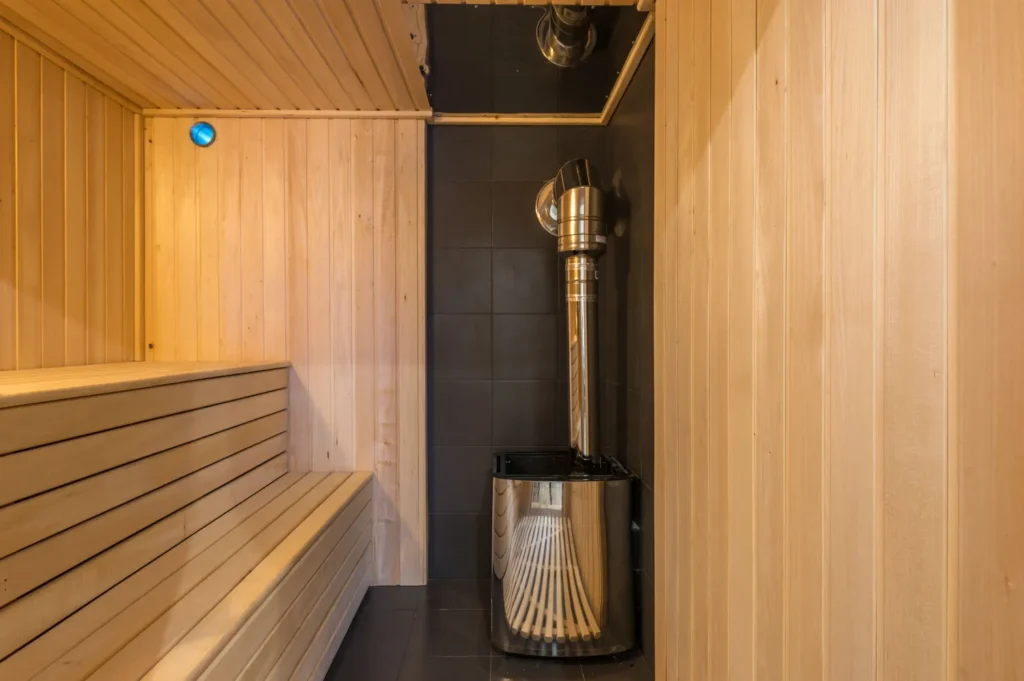
Installing a home sauna is as exciting as it gets. You plan where you’ll install your sauna, what kind of wood you want, how many people should fit in, and what type of sauna heater you want.
But what about sauna electrical requirements?
This is one thing people overlook at the planning stage, but I suggest you don’t.
You see, you can’t plug in an electric sauna heater like any other home appliance. That’s because the heater needs careful wiring to ensure safe operation, efficient heating, and optimum performance.
That’s why it is essential you know about the sauna heater electrical requirements, including voltage, amperage, and wiring before you move ahead with other parts of home sauna installation.
In this blog, I have explained everything. So, read on to know:
- How much power your sauna heater needsdifferent heaters
- What voltage and amperage require
- How is a sauna heater wired
- Why you need a dedicated circuit for the heater
- And the things you should discuss with your electrician before installation
Key takeaways
- Electric sauna heaters need a dedicated electrical circuit because they draw a lot more power than regular household appliances.
- The precise sauna heater electrical requirements depend on the heater’s kW rating, voltage, and amperage.
- Most residential sauna heaters in the country use 240V single-phase power, but I suggest you check the manufacturer’s specifications first.
- A proper sauna heater wiring is essential for safety, performance, and long-term reliability.
- Always work with a qualified electrician when installing sauna electrical systems.
What are the standard sauna electrical requirements for an electric sauna heater?
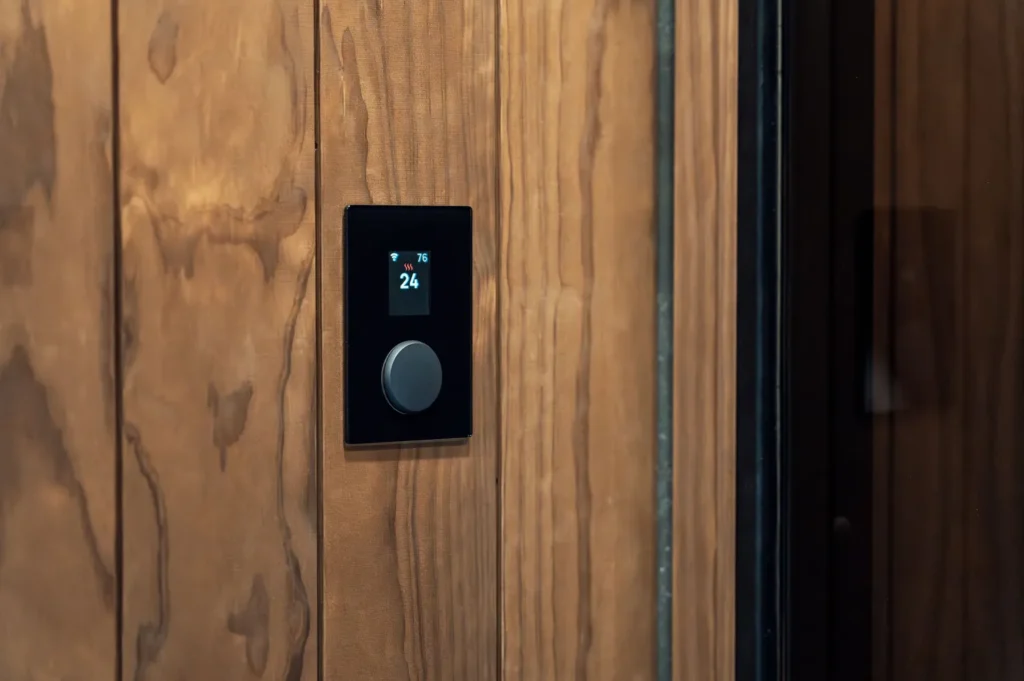
Before you build a sauna at home, there are five main sauna heater electrical requirements you need to consider, namely:
- Voltage
- Amperage
- Circuit breaker size
- Wire size
- Dedicated circuit requirements
Each of these requirements are equally important to run the heater safely and heat up the sauna to the desired temperature.
Let’s have a look at each of these requirements.
1. Sauna heater voltage requirements
Most home electric sauna heaters in the country operate on 240V single-phase power. Although some commercial grade sauna heaters use different electrical configurations, the 240V requirement is standard for home sauna heaters.
Now, you might have used a hot tub with a normal 120V household outlet and you could be expecting the same out of sauna heaters.
But this doesn’t apply to sauna heaters because they need a lot of power to heat standard sauna enclosures. A standard 120V outlet cannot provide enough energy for this.
A 240V connection, on the other hand, allows the heater to deliver the necessary power efficiently.
Note: A compact smaller heater tiny prefabricated sauna might be able to operate at 120V. But this doesn’t apply to standard household saunas.
2. Sauna heater amperage requirements
After voltage, the next important sauna electrical requirement is amperage. It tells you how much current your sauna heater draws while operating.
Home sauna amperage can range anywhere from 15 amps to 50+ amps. Here, the higher the heater’s power rating, the more amps it will need.
For instance, a small sauna heater designed for compact spaces will need less electricity compared to large heaters built for a four or five-person sauna.
This is why there is no standard amperage for home saunas. The exact amperage depends on:
- The heater’s kW rating
- The sauna size
- The voltage supply
- The manufacturer’s specifications
3. Sauna heater breaker requirements
The circuit breaker protects your electrical system by shutting off power if the circuit becomes overloaded.
Now, the correct breaker for your sauna heater depends on the heater’s amperage. For instance, if you have a small 3kW sauna heater, you will need a small breaker. But for a larger 9-12kW heater, you will need a much higher-capacity breaker.
Sauna expert’s tip: Never guess the size of the circuit breaker. Always match it with:
- The heater specifications
- The wire size
- The electrical code requirements
A breaker that is too small can cause frequent trips while one that’s too large can create safety issues because the wiring might not be properly protected.
4. Sauna heater wiring requirements
Proper wiring is one of the most important parts of installing an electric sauna heater. That’s because even if you choose the perfect heater, it will not perform correctly without the right wiring.
Now, the heater wiring should be such that it safely handles the amount of power your heater uses. Also, it should be done in accordance with electrical codes like NEC Article 424.
Also, the exact sauna heater wiring requirements will depend on:
- The heater’s kW rating
- Voltage requirements
- Amperage draw
- Distance between the electrical panel and the sauna
- Local building and electrical codes
This is why there is no standard wiring setup that works for every sauna. A small home sauna heater and a large commercial-style heater will have completely different electrical needs.
So the best practice you can follow is to look at your specific sauna heater model. The manufacturer’s installation manual will tell you exactly what wiring requirements the heater needs.
5. Sauna heater circuit requirements
Electric sauna heaters mostly need a dedicated circuit. This means the heater has its own electrical connection instead of sharing power with other appliances.
This is important because sauna heaters draw a lot of electricity. And if your heater shares the same circuit with other high-power appliances, it can cause:
- Tripped breakers
- Poor heater performance
- Increased electrical stress
- Safety concerns
A dedicated circuit ensures that your sauna heater receives the power it needs every time you use it.
In short, here are all the sauna electrical requirements:
| Requirement | Why It Is Important |
| Correct voltage | Ensures the heater receives proper power |
| Proper amperage | Prevents overloading the electrical system |
| Right breaker size | Protects the circuit from excessive current |
| Correct wiring | Ensures safe and reliable operation |
| Dedicated circuit | Gives the heater consistent power |
Why are these sauna electrical requirements so important?
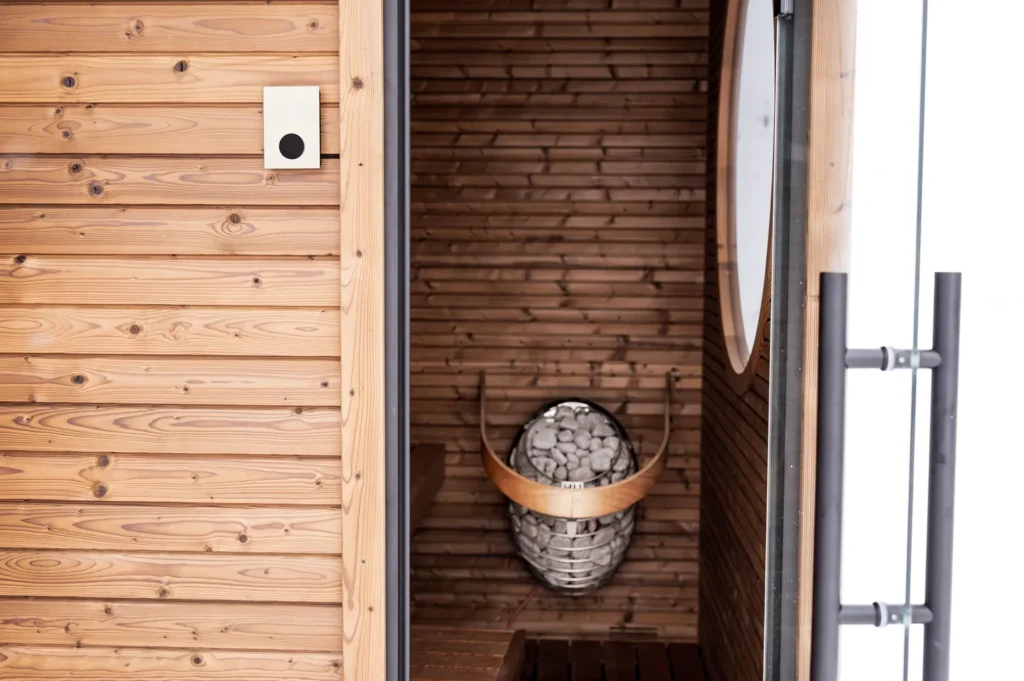
The sauna heater is arguably the most critical component in the sauna. It heats the sauna room and makes your sauna experience possible.
But to do this, it needs the right amount of electricity. Without this, it will struggle to reach the desired temperature.
Also, an incorrect electrical system will put unnecessary stress on the heater’s wiring, breaker, and other components.
I have seen this firsthand where homeowners spent plenty of time designing the perfect sauna floor plan and aesthetics but didn’t pay much attention to sauna electrical requirements. Later on, their electrical setup couldn’t support the sauna heater they selected.
This is exactly why I suggest you do electrical planning early on when planning to install a sauna heater.
Thankfully, sauna electrical planning is quite straightforward. Just select the right sauna heater size and the heater’s specifications will tell you everything, including:
- How much power it needs
- What voltage it runs on
- How many amps it draws
- What type of circuit is required
From there, a licensed electrician can create the perfect sauna electrical setup.
Common sauna electrical installation mistakes to avoid

In the past several years of working with saunas, the one common thing I have noticed is that most sauna electrical problems happen because of small planning mistakes.
Fortunately, most of these mistakes are completely avoidable.
Overall here are the most common sauna electrical mistakes and how you can avoid them:
1. Choosing a heater before checking electrical capacity
A lot of homeowners choose a sauna heater based only on the sauna size or features they like. But they forget to check whether their home’s electrical system can support it.
I suggest you check the following things before you buy a sauna heater:
- Available electrical capacity
- Existing electrical panel setup
- Required voltage
- Required amperage
2. Using the wrong wire size
The electrical wire should be able to safely handle the amount of current your heater draws. An undersized wiring can cause overheating and create unnecessary risks.
The correct electric sauna heater wiring size will depend on factors such as:
- Heater amperage
- Circuit length
- Installation conditions
The best way to do this is to wire your sauna heater according to the sauna heater specifications and local codes.
3. Installing a shared circuit
As I mentioned earlier, sauna heaters need their own dedicated circuit. That’s because connecting your heater to an existing circuit shared with other appliances can create problems.
4. Ignoring manufacturer instructions
Every sauna heater comes with specific installation guidelines.
These instructions are there for a reason. They provide details about:
- Power requirements
- Wiring connections
- Clearances
- Installation limitations
Ignoring these details can affect both safety and heater performance.
Bonus: Here’s a comparison of traditional vs infrared sauna electrical requirements
| Sauna Type | Sauna Electrical Requirements |
| Traditional electric sauna | Requires higher power, often 240V dedicated circuits |
| Infrared sauna | Uses lower power, with many smaller units operating on 120V |
Final words
I hope you now have a clear understanding of sauna electrical requirements and what goes into safely powering a home sauna.
As you can see, the electrical system behind your sauna is just as important as the wood, heater, and design of your sauna. .
That’s why, from understanding the sauna’s voltage requirements to choosing the right wiring, breaker, and circuit, every small detail is important.
The best way to do this?
Well, choose your heater first, understand its electrical requirements, and then work with a qualified electrician to complete the installation correctly.
Got more questions or want to install a sauna in your home?
You can get in touch with us!
At Steam Shower and Sauna, we offer a wide range of premium sauna heaters, accessories, and components from trusted industry brands. Whether you need help selecting the right heater or planning your sauna installation, our team is here to help.
FAQs about sauna electrical requirements
What voltage does a sauna heater need?
Traditional electric sauna heaters need 240V power. However, the exact sauna heater voltage requirements depend on the specific heater model and manufacturer.
Smaller infrared saunas also use 120V power, while larger traditional sauna heaters can require much higher electrical capacity.
Does a sauna heater need a dedicated circuit?
Yes, most electric sauna heaters require a dedicated circuit. This allows the heater to receive consistent power without sharing electricity with other appliances.
How much electricity does a sauna heater use?
The amount of electricity a sauna heater uses depends on its size and power rating.
Small home sauna heaters use around 3-4.5 kW, while larger residential heaters require 8-9 kW or more.
Can I do sauna heater wiring myself?
Although you might be able to handle basic DIY build-up, sauna heater wiring is not something I recommend you do without electrical experience.
Sauna heaters require specific voltage, amperage, breaker, and wiring requirements. Here, incorrect installation can create safety risks and may also affect your heater warranty. I always suggest you have a qualified electrician complete the electrical work.
What size wire do I need for a sauna heater?
The correct wire size depends on your heater’s amperage requirements, circuit length, and local electrical codes.
There is no single wire size that works for every sauna heater. The best thing you can do is follow the manufacturer’s specifications and have your electrician confirm the correct wiring.
Are infrared sauna electrical requirements different?
Yes, infrared sauna electrical requirements are different from traditional sauna heaters.
Since infrared saunas use heating panels instead of a high-powered electric heater, they need less electricity. This is why they can run a standard 120V outlet.
Can a sauna overload my home electrical system?
A sauna can overload your electrical system if it is not installed correctly or if your home does not have enough electrical capacity.
That’s why it is important to check your electrical panel, install the correct circuit, and match the heater requirements with your home’s electrical setup.

Jordan is a content writer covering steam showers, saunas, home wellness, and modern bathroom design. With a focus on practical, research-based information, Jordan helps readers make informed decisions about creating relaxing, spa-inspired spaces at home.